No Studio? No Problem: How Indie Filmmakers Are Turning Followers Into Fans Before the First Frame Hits Theaters
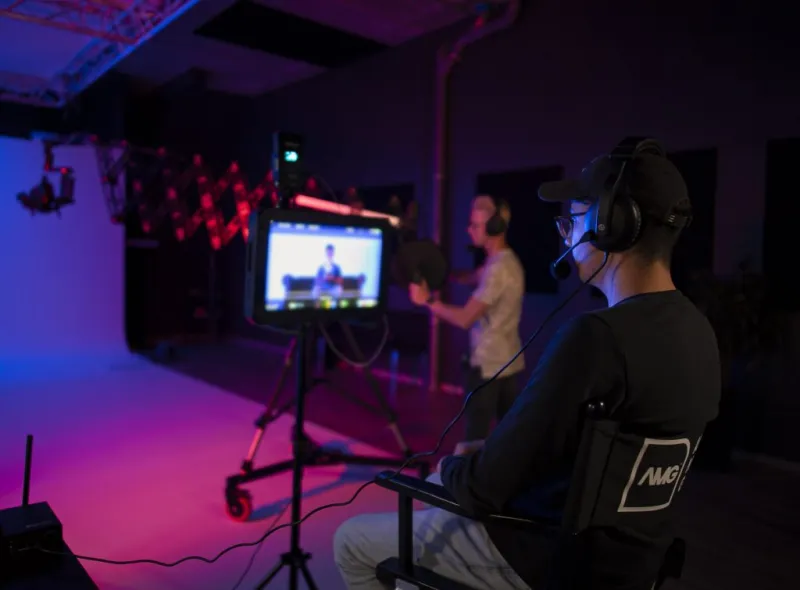
Photo: indie filmmaker behind the scenes social media phone filming, via indiefilmmakers.eu
There's a certain kind of magic that happens when a small film — made on a shoestring, shot in someone's backyard, crewed by people who genuinely believe in the story — starts catching fire online. No PR firm. No seven-figure ad spend. Just a filmmaker with a phone, a vision, and a whole lot of hustle.
That's not a fantasy anymore. It's increasingly the reality for independent filmmakers across the US who are figuring out that the path to an audience doesn't have to run through a major studio's marketing department. It runs through your phone screen.
The Scroll-and-Hook Strategy
Let's be real — attention is the currency of 2024, and social media platforms are the exchange. TikTok in particular has become something of a secret weapon for indie creators who know how to use it. Short-form video rewards authenticity over polish, which is a genuine advantage for filmmakers who can't afford the glossy trailers that Warner Bros. drops like clockwork.
The key insight a growing number of indie directors have landed on? People don't just want to watch your movie. They want to watch you make your movie.
Behind-the-scenes content — raw, unfiltered, sometimes chaotic — creates a kind of parasocial investment in a project that no traditional trailer can replicate. When you see a director duct-taping a camera rig together at 2 a.m. or a lead actor flubbing the same line six times before nailing it, you're not just a viewer anymore. You're a witness. And witnesses become advocates.
Take the approach used by the team behind Hundreds of Beavers, the 2022 black-and-white slapstick indie that became a genuine cult phenomenon. The filmmakers leaned hard into the absurdity of their production — sharing goofy behind-the-scenes clips and engaging directly with the small but growing community that was discovering the film through word of mouth and festival buzz. That grassroots energy translated into a theatrical run that far exceeded expectations for a film of its budget.
Instagram as the Mood Board That Moves
While TikTok is built for discovery, Instagram is where indie filmmakers are building identity. A well-curated film account does something a press kit never could — it communicates the feeling of a project before anyone's seen a single scene.
Think about it from an audience perspective. If you're scrolling and you come across a film account that's posting gorgeous stills, handwritten notes from the director, candid crew photos, and little glimpses of the world the story inhabits, you're already forming a relationship with the film. You're buying into its aesthetic and its ethos.
Smart indie teams are treating their Instagram presence like a living, breathing piece of the film itself. The visual language of the feed should echo the visual language of the movie. That kind of consistency builds trust — and trust is what gets someone to actually show up at a theater or hit play on a streaming platform.
YouTube: The Long Game
If TikTok is the sprint and Instagram is the marathon, YouTube is the training log. It's where filmmakers can go deep — and depth creates devotion.
Long-form content on YouTube is having a genuine renaissance right now, partly because audiences are hungry for substance after years of being served bite-sized content. A 20-minute breakdown of how a filmmaker solved a tricky lighting problem on a $3,000 budget? That's catnip for aspiring filmmakers and serious cinephiles alike. And those are exactly the kinds of viewers who become evangelists — the ones who tell their friends, share the trailer, and show up opening weekend.
Several emerging filmmakers have built YouTube channels that function as ongoing documentary series about their productions. The audience grows with the film, and by the time a release date is announced, there's already a community that feels personally invested in seeing the thing succeed.
The Engagement Loop Nobody's Talking About
Here's something the big studios genuinely can't do as well as an indie team: respond to comments.
When a filmmaker personally replies to a fan's question in the comments, or reposts a viewer's reaction video, or goes live to answer questions about the production process, it creates a feedback loop that money can't manufacture. The audience feels seen. They feel like insiders. And insiders evangelize.
This is the part of indie social media marketing that often gets overlooked in favor of strategy talk about algorithms and posting schedules. The real edge isn't just what you post — it's how you show up for the people who are paying attention.
What the Numbers Actually Tell Us
It's worth noting that viral moments don't happen by accident, but they also can't be entirely engineered. The filmmakers who are doing this well tend to share one trait: they're genuinely passionate about what they're making, and that passion is contagious online.
Audiences are remarkably good at detecting inauthenticity. A forced BTS video feels hollow. A genuine moment of a director tearing up after a difficult scene wraps? That travels.
The practical takeaway for any filmmaker building a social presence is this — lead with the real. The messy, exciting, terrifying reality of making something from nothing is inherently compelling. You don't need a studio's resources to tell that story. You just need the courage to share it.
The Fight Before the Fight
At Paper Champions, we talk a lot about the fight of a lifetime — the kind of effort and heart it takes to get a film made and seen. What's becoming clear is that the fight doesn't start on set anymore. It starts in the comment section, the DM thread, the TikTok duet, the YouTube subscriber count.
The filmmakers who understand that are the ones building something that lasts well beyond a single release date. They're building communities. And in the long run, a community is worth more than any marketing budget.
The screen is waiting. The audience is already out there, scrolling. The question is whether you're giving them a reason to stop.