Cue the Cutman: Why Real Boxing Pros Are Quietly Taking Over Indie Sports Films
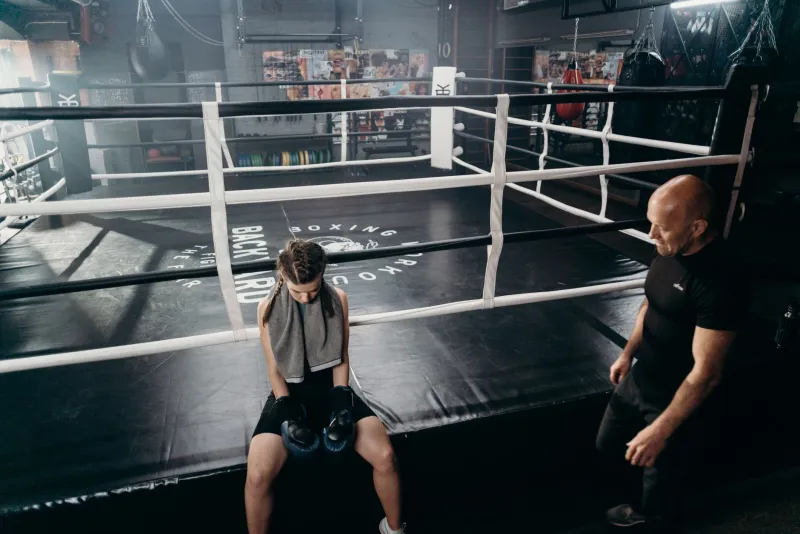
There's a moment in every great boxing movie that separates the classics from the also-rans. It's not the training montage. It's not the final bell. It's the ten seconds in the corner when the cutman works the fighter's face and you believe — really believe — that this person has been hit before.
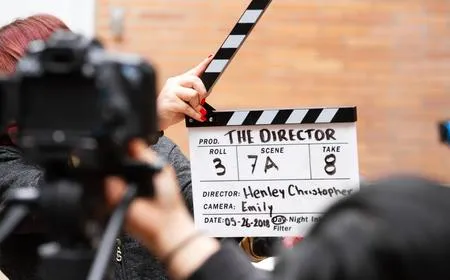
For decades, indie filmmakers faked that moment. They hired a stunt coordinator, taught an actor to throw a decent jab, and hoped the editing would hide the rest. That era is ending. Walk onto the set of a low-budget sports drama today, and odds are good you'll find a real trainer calling the shots, a retired fighter shaping the choreography, and maybe a working cutman doing actual vaseline-and-ice work between takes.
The Authenticity Arms Race
Audiences got spoiled. Between the MMA boom, the rise of boxing's YouTube-era crossovers, and documentaries that put viewers closer to the action than any staged film ever could, the bar for fight realism has never been higher. Moviegoers can spot a telegraphed haymaker or a phantom body shot from a mile away — and they'll say so, loudly, in the comments.
Indie directors have responded by going to the source. Hiring someone who's actually worked a fighter's corner doesn't just improve the choreography; it transforms how the whole film feels. Real coaches understand the economy of a round, the way fatigue changes a fighter's posture, the tiny rituals between rounds that no screenwriter would ever invent. That knowledge bleeds into everything from blocking to dialogue to how the sound of a body shot lands in the mix.
What a Real Coach Brings to Set
Talk to filmmakers who've done it, and a few themes come up again and again.
They protect the actors. A seasoned trainer knows how to pace contact, how to read when someone's gassed, and how to pull the plug before an accident happens. That's not a nice-to-have on a set shooting twelve-hour days with a lead who's never sparred.
They fix the details that matter. Which hand you wrap first. Where a southpaw stands. How a fighter breathes when they're hurt versus when they're angry. These micro-details are exactly what audiences subconsciously register as "real."
They make actors braver. When a performer trusts the person teaching them to throw punches, they commit. Commitment reads on camera. Hesitation reads too.
Finding Your Corner Team
So how does a filmmaker with an indie budget actually connect with fight professionals? Start local. Every mid-sized American city has at least one respected boxing gym, and the coaches there are usually far more accessible — and affordable — than anyone on a film industry roster. Show up. Watch a session. Buy the coach a coffee and pitch the project in person. In this world, relationships beat emails.
Retired fighters are another goldmine, especially those a decade or two out of competition who miss the sport and often love talking about it. Local athletic commissions and veteran boxing gyms can point you toward names. And don't overlook cutmen and cornermen — they're the unsung specialists of fight sports, and their expertise is wildly underused on film sets.
Working With Them Once You've Got Them
A few practical notes from productions that have been down this road:
- Pay them properly. Real expertise deserves real compensation, even on a shoestring budget. Many coaches will work for less than a Hollywood rate, but respect goes further than a discount.
- Give them a real credit. "Boxing Consultant" in the opening credits means something in the fight world, and it's how you recruit the next pro for the next film.
- Let them adjust the script. If your coach tells you a line of dialogue would never come out of a corner between rounds, believe them. The rewrite will be better.
- Build rehearsal time into the schedule. Actors need weeks, not days, to look like fighters. Your coach will tell you exactly how long — listen.
Why It Matters for Underdog Stories
There's a poetic symmetry here. Indie films are, by their nature, underdog projects — small budgets, big hearts, everything on the line. Bringing in real fight professionals, people who've spent their lives in gyms chasing long-shot dreams, means the story behind the camera mirrors the one in front of it. Those coaches aren't just consultants; they're living proof of the theme.
The next time a small film lands a knockout punch at a festival, don't be surprised if somewhere in the credits there's a name you've never heard of — a trainer from a gym in Philly or Vegas or Kansas City who spent six weeks teaching an actor how to stand like a fighter. That's not a footnote. That's the secret weapon.
The bell's about to ring. Better have a real corner in yours.