Fresh Faces, Real Moments: Why Betting on Unknown Actors Might Be the Smartest Move an Indie Filmmaker Can Make
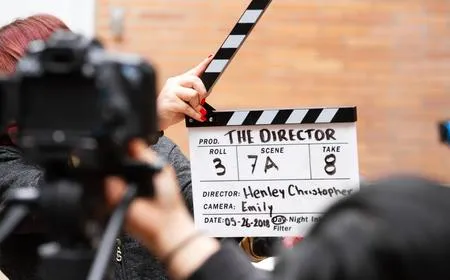
Photo: indie film casting audition unknown actor director, via d26oc3sg82pgk3.cloudfront.net
There's a moment every indie filmmaker knows well. You're sitting in a cramped casting session, running low on coffee and optimism, and then someone walks in who doesn't have a single IMDb credit worth mentioning — and they just do it. They make the scene real in a way that nobody else has all week. That's the moment the gamble starts to feel less like a gamble and more like a discovery.
For filmmakers operating outside the studio system, the pressure to attach a recognizable name can feel overwhelming. Sales agents mention it. Distributors ask about it. Even well-meaning friends wonder out loud whether your film will get noticed without at least one familiar face on the poster. But here's the thing: some of the most talked-about indie performances in recent memory came from actors most audiences had never heard of before the film dropped.
The Budget Reality Nobody Wants to Talk About
Let's be straight about something. A lot of the conversation around casting unknowns gets framed as a creative choice, and sometimes it genuinely is. But more often than not, it starts with math. Hiring an established name with real box office pull can eat up a significant chunk of an indie budget before a single frame gets shot. When your entire production budget is under a million dollars — which is the reality for a huge number of independent films in the US — spending a third of it on talent fees before you've secured locations, paid your crew, or bought a single roll of anything is a tough sell.
So filmmakers look elsewhere. They hold open calls. They scout theater programs. They scroll through short film submissions and student showcases. And sometimes, they find exactly what they were looking for — not despite the limitations, but because of them.
Why Audiences Are Responding Differently Now
Something has shifted in how viewers connect with performances on screen. Audiences — especially younger ones who've grown up watching YouTube creators, TikTok storytellers, and streaming originals — have a finely tuned radar for authenticity. They can feel when someone is performing versus when someone is living inside a scene. And fresh faces, unburdened by the weight of an established persona, often deliver the second thing more naturally.
When you watch a well-known actor, you bring their entire filmography into the theater with you. You're watching them, but you're also watching every role they've ever played. An unknown actor doesn't carry that baggage. The character is the character. Nothing else competes for your attention.
Casting directors who work primarily in the indie space talk about this dynamic a lot. The goal isn't just finding someone who can hit their marks — it's finding someone who makes the audience forget they're watching a movie at all. That quality is hard to manufacture, and it doesn't correlate cleanly with credits or representation.
The Word-of-Mouth Machine Nobody Expected
Here's where the casting gamble pays off in ways that go beyond the screen. When an unknown actor delivers a performance that genuinely moves people, the story of who they are becomes part of the film's marketing almost by accident.
Audiences want to know: Where did this person come from? Have they been in anything else? Are they going to be in something else? That curiosity drives searches, shares, and conversations. It turns viewers into advocates. In the indie world, where you're not going to outspend the studios on advertising, that kind of organic momentum is worth more than almost any other asset you have.
Think about the ripple effect when a film premieres at a festival and the Q&A turns into a crowd of people genuinely stunned to learn that the lead had never been on a film set before. That story travels. It gives film journalists something to write about that isn't just a plot summary. It gives audiences a reason to feel like they're in on something.
How to Make the Bet Smarter
Casting unknown talent isn't a magic bullet, and treating it like one is how you end up in trouble. The filmmakers who do this well tend to approach it with a lot of intentionality.
First, invest heavily in the audition process. Don't rush it. Run callbacks. Put actors in scenes with each other and watch how they respond to someone else in the room. Chemistry is real, and it shows up on camera in ways that are almost impossible to fake in post.
Second, build in time for rehearsal. Experienced actors can show up on day one and deliver because they've developed a whole toolkit over years of work. An actor who's newer to film might need more runway. That time investment pays dividends when the camera rolls.
Third, think carefully about the director-actor relationship. Unknown talent often responds especially well to directors who communicate clearly and create a safe environment on set. The performance you're hoping for tends to live in a place of trust, and trust takes time to build.
Finally, don't underestimate the post-production work. A great performance can be shaped in the edit. Work with your editor to find the moments that feel most alive and build around them.
The Breakout Story Is Part of the Film's Story
Paper Champions exists because we believe in the fight — the one that happens before the lights go up and the audience settles in. Casting an unknown actor is one of the purest expressions of that fight. You're saying: I believe in this person. I believe what they're going to do in this scene is going to matter to someone.
And when it works — when the audience leans forward and feels something they weren't expecting — that belief gets validated in the most public way possible.
The gamble isn't really a gamble at all. It's a bet on human connection. And in this business, that's about as solid a foundation as you're going to find.