Sweat in the Rafters: Why America's Real Fight Gyms Are Indie Film's Most Honest Sets

There's a particular smell to a real boxing gym. Leather that's been sweated into for decades. Rubbing alcohol. Old paint. You can't fake it on a soundstage, and audiences can smell the difference — sometimes literally.
That's why a growing number of indie filmmakers are skipping the production designer's warehouse and shooting where the sport actually lives: working fight gyms, wrestling halls, and VFW-style boxing clubs scattered from Philadelphia to Fresno.
The Gym Is the Production Design
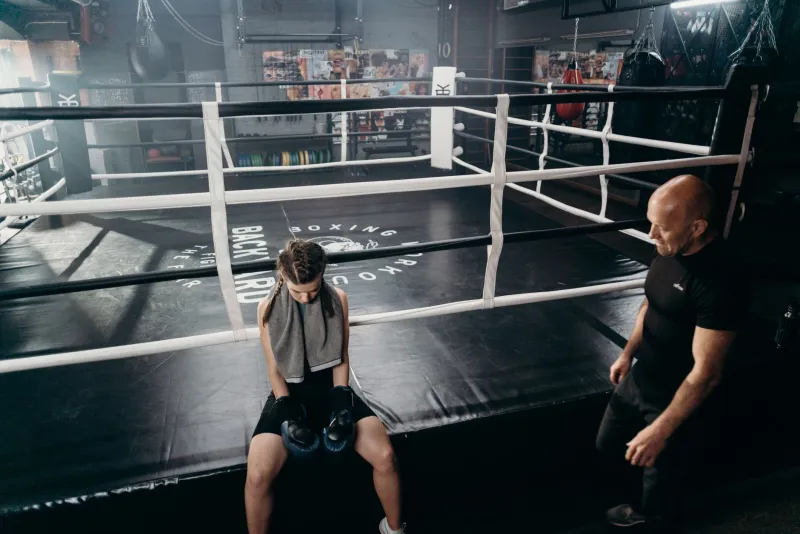
Walk into most purpose-built movie sets and everything looks a little too clean. The heavy bags hang at uniform heights. The canvas has never absorbed a bad night. Real gyms tell a different story — the cracked mirrors, the hand-me-down ring from a shuttered club two towns over, the faded fight posters taped to cinderblock walls.
That texture is free. And unlike a set dresser's idea of "gritty," it's earned.
Filmmakers who've shot in working gyms will tell you the space does half the acting for you. When your lead walks past a kid doing roadwork in the corner or a trainer who's clearly seen a hundred prospects come and go, you get production value no budget line item can buy.
Meet the Owners Who Say Yes
Here's the part that surprises people: most gym owners are thrilled to host a shoot, and most aren't in it for the money.
Sure, a location fee helps — and on indie timelines, even a few hundred dollars matters to a small gym's rent. But talk to the folks who've opened their doors and you'll hear a common thread: they like boxing movies. They like showing off the place. Some have hung framed stills from shoots next to decades-old fight posters, right between the title belts and the memorial photo of the gym's founder.
A few practical notes from owners-turned-unofficial-location-scouts:
- Respect the schedule. These are working gyms. Evening training hours are sacred. Shoot mornings or negotiate around fight camp.
- Protect the canvas. No equipment drops, no dolly wheels on the ring without permission. It's not a prop; it's someone's livelihood.
- Feed the regulars. Seriously. Catering that includes the guys who train there buys you more goodwill than any location fee.
- Get it in writing. A simple one-page agreement covering hours, access, insurance, and cleanup. Nobody wants a handshake to turn into a headache.
Scouting on a Shoestring
You don't need a location scout with a reel and a rate card. Some field-tested approaches:
Start with the state boxing commission's list of licensed clubs. Every state athletic commission keeps records of sanctioned gyms. It's a public list of exactly the kind of spaces you're looking for, organized by city.
Ask at amateur tournaments. Golden Gloves events are crawling with gym owners, coaches, and former fighters — all of whom know which gyms have good light, decent parking, and a landlord who won't freak out about a film crew.
Scout at off hours, but shoot during them too. Visit twice: once to fall in love with the space, once to see it alive. A gym at 10 a.m. is a museum. A gym at 5:30 p.m. is where your movie actually lives.
Check the light before you commit. Older gyms often have limited natural light and industrial fluorescents that fight your camera. Bring a stills camera on your scout and shoot test frames at the hours you plan to film. Cheap LEDs can fix a lot, but knowing what you're walking into saves a reshoot.
The Credibility Dividend
There's a reason audiences can tell when a boxing movie was shot in a real place. Fighters move differently around people who train. Trainers stand a certain way. The rhythm of a gym — the bounce of ropes, the thud of bags, the shorthand between coach and fighter — can't be choreographed by outsiders.
For an indie film where every dollar has to work twice as hard, that authenticity is the whole game. You're not just saving money on a location. You're borrowing decades of truth and putting it on screen.
So the next time your script calls for a boxing gym, resist the urge to build one. Drive to the sketchy end of town, follow the sound of a speed bag, and knock on the door. Worst case, you get a no and a great story. Best case, you get the best set you'll ever have — and someone who's been waiting years to show you where the good light is.