After Midnight: Why Late-Night Festival Slots Are Still the Best Launchpad an Indie Film Can Ask For
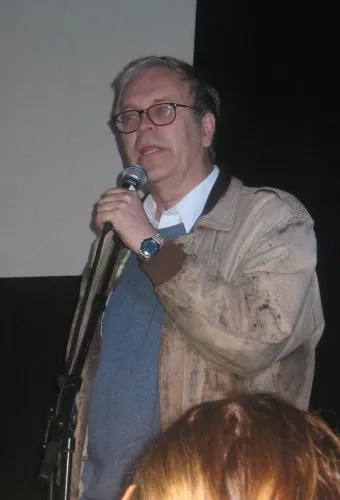
Photo: Lari at Finnish Wikipedia, CC BY-SA 3.0, via Wikimedia Commons
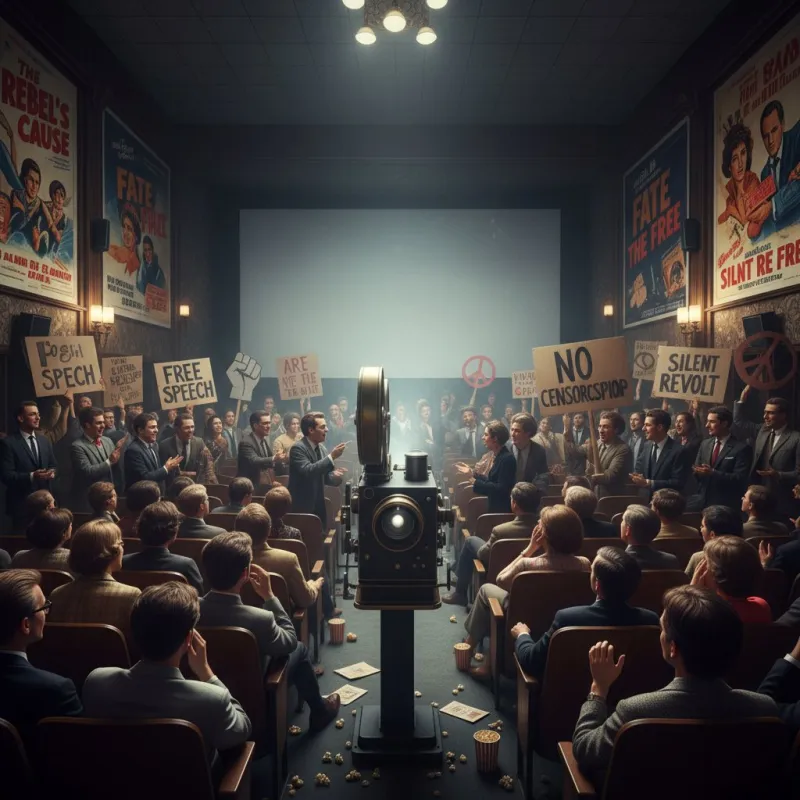
There's a specific kind of electricity that happens inside a theater at 11:45 p.m. on a Friday at a film festival. The audience isn't there because it was convenient. They didn't stumble in. They chose to be there—standing in line, maybe a little buzzed, definitely a little tired—and that choice means something. It creates a room full of people who are already leaning in before the first frame rolls.
Streaming platforms have changed almost everything about how we consume movies. But they haven't figured out how to bottle that room.
The Cult Comes First
The mythology of the midnight movie is genuinely American. It traces back to the grindhouse theaters of the 1970s, where films like El Topo and Eraserhead found their audiences not through advertising budgets but through reputation—passed between friends like a secret worth keeping. The Rocky Horror Picture Show turned a midnight slot into a decades-long cultural institution. These weren't accidents. They were the result of a very specific kind of communal experience that daytime programming simply couldn't replicate.
Fast-forward to 2024, and that same dynamic is playing out at festivals like Fantastic Fest in Austin, Overlook Film Festival, and even the midnight sections at Sundance. Programmers who work these slots will tell you the same thing: the audience self-selects in a way that's almost impossible to engineer artificially.
"The people who show up at midnight aren't casual viewers," says one festival programmer who's worked late-night sections for over a decade. "They're the ones who are going to go home and post about it, text their friends, argue about the ending in the parking lot. That's the engine of word-of-mouth, and you just can't manufacture it."
Why Algorithms Can't Do What a Parking Lot Conversation Can
Here's the honest truth about the streaming age: discoverability is a nightmare. An indie film dropped onto a major platform without significant marketing spend gets buried within days. The algorithm rewards engagement, and engagement requires awareness, and awareness requires—well, money or luck, usually both.
The midnight screening sidesteps that entire machine. It creates a concentrated blast of passionate, opinionated viewers who are primed to evangelize. Social media posts from a midnight premiere hit differently than a press release. When someone tweets "just got out of the midnight screening of [film] and I am NOT okay" at 1:30 a.m., that's not marketing copy—that's a genuine reaction, and audiences can smell the difference.
For indie filmmakers operating without a publicity apparatus, that organic momentum is worth more than almost any paid campaign. It seeds the conversation before the film has even been formally reviewed.
The Strategic Play Nobody's Talking About Enough
Some filmmakers are now actively lobbying for midnight slots rather than accepting them as a consolation prize. The counterprogramming logic is straightforward: if your film is weird, intense, funny in a dark way, or simply refuses to fit neatly into a prestige drama box, the midnight slot isn't a demotion—it's a positioning move.
A horror-comedy that might feel out of place in a 2 p.m. Saturday lineup becomes exactly right at midnight. A surrealist thriller that could confuse a general audience finds its tribe when that tribe has self-selected by staying up past their bedtime. The screening time itself becomes part of the film's identity.
"We knew our movie wasn't going to win a jury prize," one filmmaker said after a successful midnight run at a regional festival last year. "But we also knew it was going to make people lose their minds in the best possible way. The midnight slot gave us permission to be exactly what we were."
That kind of clarity about audience fit is something even well-funded films struggle to find.
The Superfan Factory
There's another piece of this that doesn't get talked about enough: midnight screenings don't just create buzz, they create superfans. And superfans are the people who show up on opening weekend, who buy the poster, who convince their reluctant friends to give something a chance.
The shared experience of watching something together at an unreasonable hour—the collective gasp, the laughter that comes from nowhere, the post-screening adrenaline—bonds people to a film in a way that solo streaming never quite achieves. It's the difference between discovering a song in a car with your friends versus hearing it through an earbud recommendation.
For an indie film trying to build a lasting audience rather than a one-week spike, that's the foundation you want. Superfans talk. They create Reddit threads and fan accounts and word-of-mouth chains that can keep a small film in conversation for months or years after its festival run.
What This Means for Your Film in 2024
If you're a filmmaker heading into festival season, here's the practical takeaway: don't automatically angle for the most prestigious time slot. Think about your film's actual personality and who it's genuinely for. If the answer involves the words "unhinged," "visceral," "you've never seen anything like this," or "I don't know how to explain it but you have to see it"—you might be holding a midnight movie without knowing it.
Pitch that angle to programmers. Be honest about what your film is. The midnight audience isn't a lesser audience; in many ways, it's the most valuable one you can find. They're not passive. They're not scrolling. They showed up on purpose, late, because they wanted something real.
In a streaming landscape built on convenience and infinite choice, that kind of intentional viewership is genuinely rare. And for a paper champion trying to make a mark without a studio's weight behind them, rare is exactly where you want to be.