The Arena Is the Real Main Event: Why the Best Fight Films Happen Outside the Ring
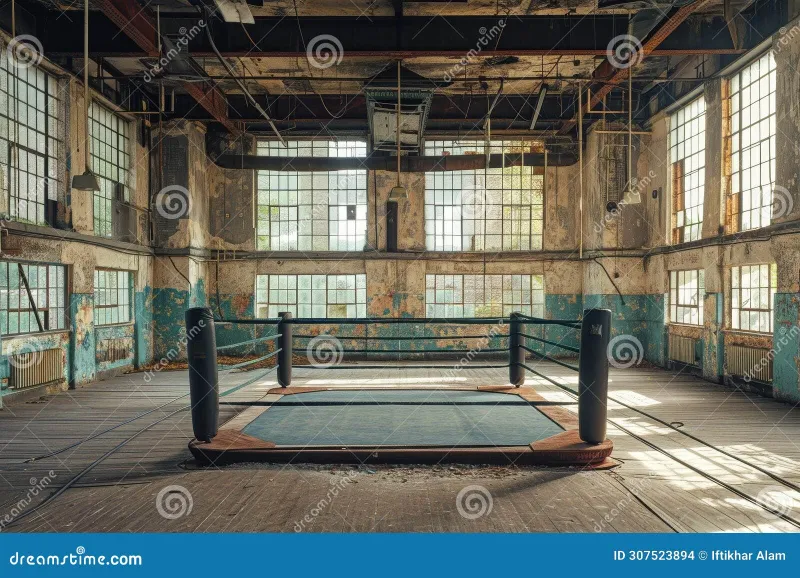
Photo: old boxing arena empty seats vintage gym interior, via thumbs.dreamstime.com
Here's an uncomfortable truth about fight films: the fight is usually the boring part.
Don't get us wrong — a well-shot bout can be electric. But if you've seen one slow-motion knockout montage, you've seen a hundred. What separates a forgettable boxing movie from one that haunts you for years has almost nothing to do with what happens between the ropes. It's everything happening around them.
The Ring Is the Easy Part
Think about the boxing movies that actually stuck with you. Raging Bull isn't remembered for its bout choreography alone — it's remembered for Jake LaMotta's kitchen, his mirrors, the suffocating interiors where the real damage happens. Million Dollar Baby spends more time in a musty old gym in Los Angeles than it does in any arena. And Rocky? The fight itself lasts a few minutes. The Philadelphia streets, the meat locker, the ice rink — that's the movie.
The pattern is clear: when the ring becomes the most interesting location on screen, the film has already lost. There are only so many ways to film two people hitting each other. There are infinite ways to film a life quietly falling apart around them.
The World Outside the Ropes Is Full of Characters
Here's where most fight films go lazy. They treat everything outside the ring as set dressing — the promoter is sleazy, the crowd is loud, the hometown is struggling. Fine. But those elements are a goldmine if you actually dig into them.
Real boxing is an ecosystem. It's the promoter juggling purses he can't cover. It's the aging judge who's been scoring cards since before the lead actor was born. It's the guy who runs the ticket window at a dying arena and knows every fighter's family by name. Indie films that take these peripheral figures seriously — giving them interiority, contradictions, stakes — instantly feel more authentic than anything a studio would greenlight.
There's a whole tradition of regional American boxing cinema that gets this right. Films shot in the Rust Belt, in Nevada desert towns, in Gulf Coast gyms where the building itself seems to hold the town's entire remaining dignity. When a run-down arena becomes a character — when the peeling paint and leaking roof tell you everything about what a fight means to a community — you're watching something special.
Place Is the Secret Weapon of Indie Fight Films
Studios can buy spectacle. What they can't easily buy is specificity. An indie filmmaker who sets their movie in an actual second-tier boxing town — think Youngstown, Flint, Reno — and shoots on location gets something money can't fabricate: texture.
The best recent examples understand this instinctively. Small-budget fight films that let the camera linger on empty parking lots outside the arena, on the diner where fighters carb up the morning of weigh-ins, on the pawn shop two blocks from the venue. None of this needs dialogue. The setting does the storytelling.
There's a practical lesson here for filmmakers, too. If you can't afford elaborate fight choreography, lean harder into everything else. A fight scene shot with two decent actors and clever editing can pass. A film with no sense of place cannot.
The Fight Should Feel Like a Consequence, Not a Climax
The structural mistake most boxing movies make is treating the big bout as the destination. Everything builds toward it, and then the credits roll. But the films that endure treat the fight as a symptom — the moment when all the economic, familial, and psychological pressures swirling around a fighter finally become visible.
When the arena is full of people who owe each other money, who grew up together, who are watching the fight as a proxy for their own stalled lives, every punch carries weight that no amount of sound design can manufacture. The audience isn't asking "who wins?" They're asking "what happens to this town when it's over?"
That's the question great fight films answer. And it's never answered between the ropes.