Twelve Minutes to Prove You Can Take a Punch: Inside the Strangest Auditions in Indie Film
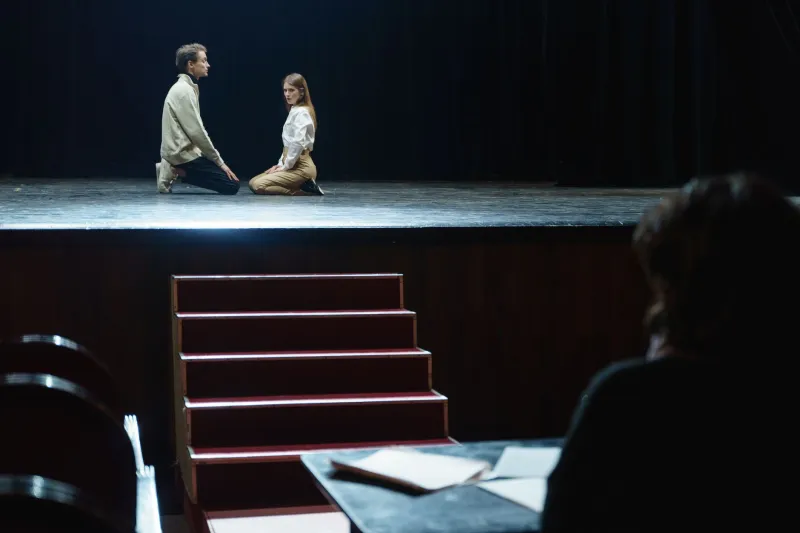
There's a moment in every fight film audition that actors describe the same way: the room goes quiet, somebody nods at a crash mat wedged into the corner of the casting office, and someone says the sentence that ends careers or starts them.
"Okay. Show me you can fall."
No camera rehearsal. No warm-up lap. Just an actor, a mat that's seen better decades, and a casting director with a stopwatch and a twelve-minute window to decide whether this person can carry ninety pages of scripted violence on a budget that wouldn't cover craft services on a studio lot.
Welcome to Round Zero — the audition rooms where indie fight films are won and lost long before anyone yells "action."
The Audition That Isn't Really an Audition
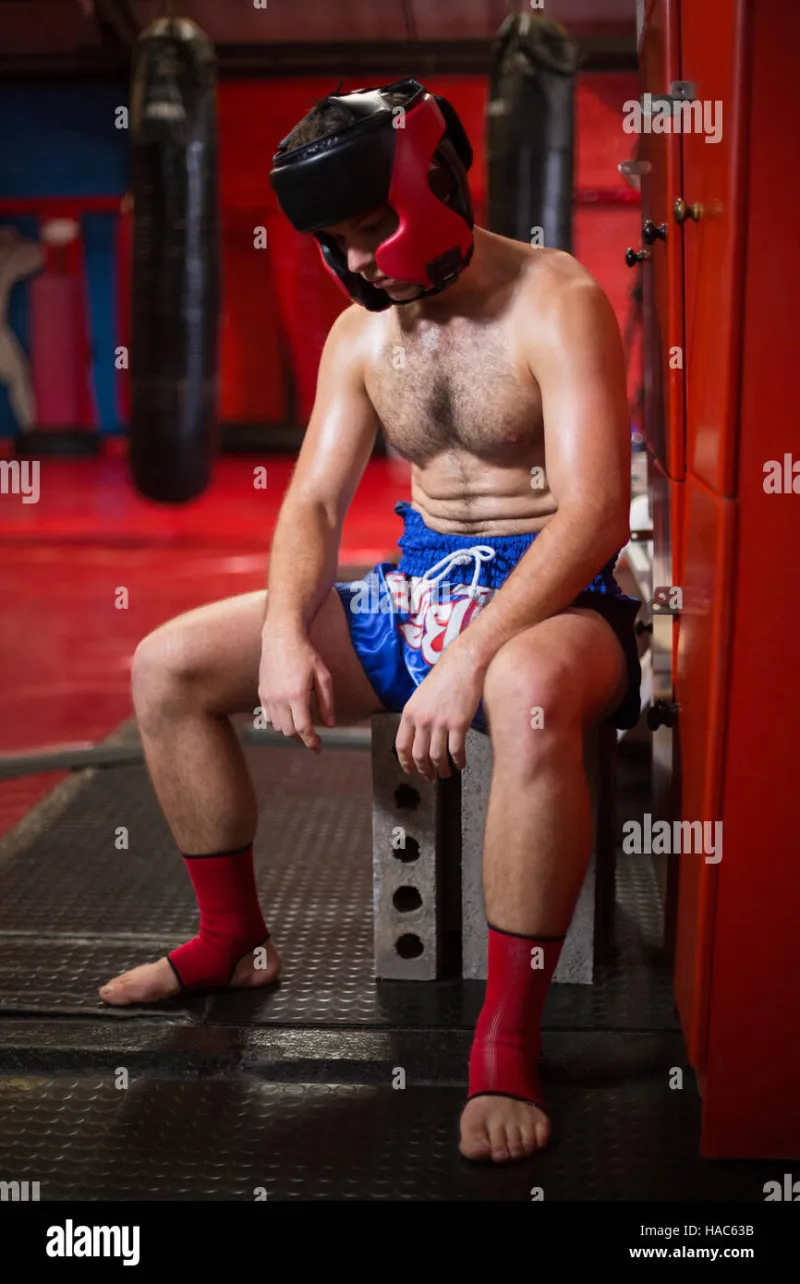
Ask around the independent film world and you'll hear the same thing: casting for a fight movie looks almost nothing like casting for anything else. A standard dramatic read tests emotional range. A comedy read tests timing. A fight film read tests all of that and whether the actor's body can survive eight weeks of boxing training without falling apart.
"I'm not just watching the performance," one Los Angeles casting director told us, requesting anonymity because she still works with agents who'd rather she didn't talk. "I'm watching how they hold their shoulders. Do they flinch when I describe the fight choreography? Can they hear a direction like 'you eat the second punch and go down hard' without their face changing? That tells me everything about the next three months of my life."
The math is unforgiving. An indie fight film typically casts one lead, maybe two, and the entire production hinges on those bodies holding up. A recast in week three doesn't just cost money — on a micro-budget picture, it usually means the movie doesn't get finished at all.
The Shadowbox Test
Then there's the part of the audition that nobody warns you about: the shadowbox.
Somewhere around minute eight, the casting director will often ask the actor to throw a few punches at the air. No opponent. No choreography to memorize. Just stand there and fight nobody.
It sounds easy. It is famously not.
"The shadowbox is where people lie with their whole bodies," says a veteran casting associate who's worked on three fight features in the last five years. "Trained fighters look bored shadowboxing — loose, economical, almost lazy. Actors who've watched too many movies look furious and hit like they're swatting wasps. I can spot the difference in four seconds."
The test works because it strips away everything rehearsed. There's no scene partner to react to, no line to hide behind. It's just the actor's body telling the truth about whether they've ever thrown a punch — or whether they can be taught to throw a convincing one before the shooting schedule eats the budget.
Some actors figure this out and train specifically for auditions the way fighters train for opponents. There are acting studios in New York and Chicago that now offer "audition conditioning" — crash mat drills, pad work basics, and the fine art of taking a staged fall without herniating anything.
Fake Scars and Other Sins
Every casting director has a story about the hopeful who tried to game the test.
There's the actor who showed up to a boxing film callback with a freshly split lip he swore came from sparring. (It came from a parking lot mishap, a fact he admitted forty minutes later.) There's the hopeful who wore a t-shirt from a famous boxing gym in Philly he'd never set foot in, then couldn't name a single trainer there. And there's the now-legendary tale — passed around casting offices like folklore — of an actor who practiced a limp so thoroughly for a comeback-sports role that he forgot to drop it when the audition ended and walked out of the building still limping.
"Nobody's mad that you're not a fighter," the LA casting director says. "We know you're an actor. We're mad when you pretend you already are one, because that's the same instinct that makes an actor uncoachable on set."
The actors who do well, casting folks agree, tend to do the opposite. They walk in and say it plainly: I've never boxed, but here's my training plan. They bring notes. One actor famously brought a printed eight-week conditioning schedule to her callback and handed it to the director before reading a single line. She got the part. The movie got into three festivals.
When It Works, It Really Works
For all the bruising — literal and otherwise — the fight film audition remains one of the few places in independent film where an unknown can genuinely win the whole thing on the spot.
Studios cast stars. Indie fight films cast whoever can convincingly bleed, train, and transform on a shoestring. That's why the audition rooms stay crowded with bartenders, former college wrestlers, and stage actors who've spent years waiting for a role where the body does the talking.
"The best audition I ever saw took eleven minutes," one director recalled. "The guy read the scene flat — deliberately, he told me later, because he didn't want to perform grief he hadn't earned yet. Then he looked at the mat, looked at me, and asked, 'How do you want to lose — slow or fast?' I hired him before he left the parking lot."
That's the strange truth of Round Zero. It's not really about punches. It's about whether a person can walk into a room, be seen completely — every limitation, every gap in training — and still make the people in the chairs believe they'll figure it out by the time cameras roll.
Every great fight film has a moment where the underdog stands in the corner of the ring and decides to keep going anyway. Turns out the first one happens at the audition.
Got an audition horror story — or a victory? We're collecting them. Drop us a line.