Put the Gloves Down and Read the Line: When Real Fighters Step Into the Spotlight
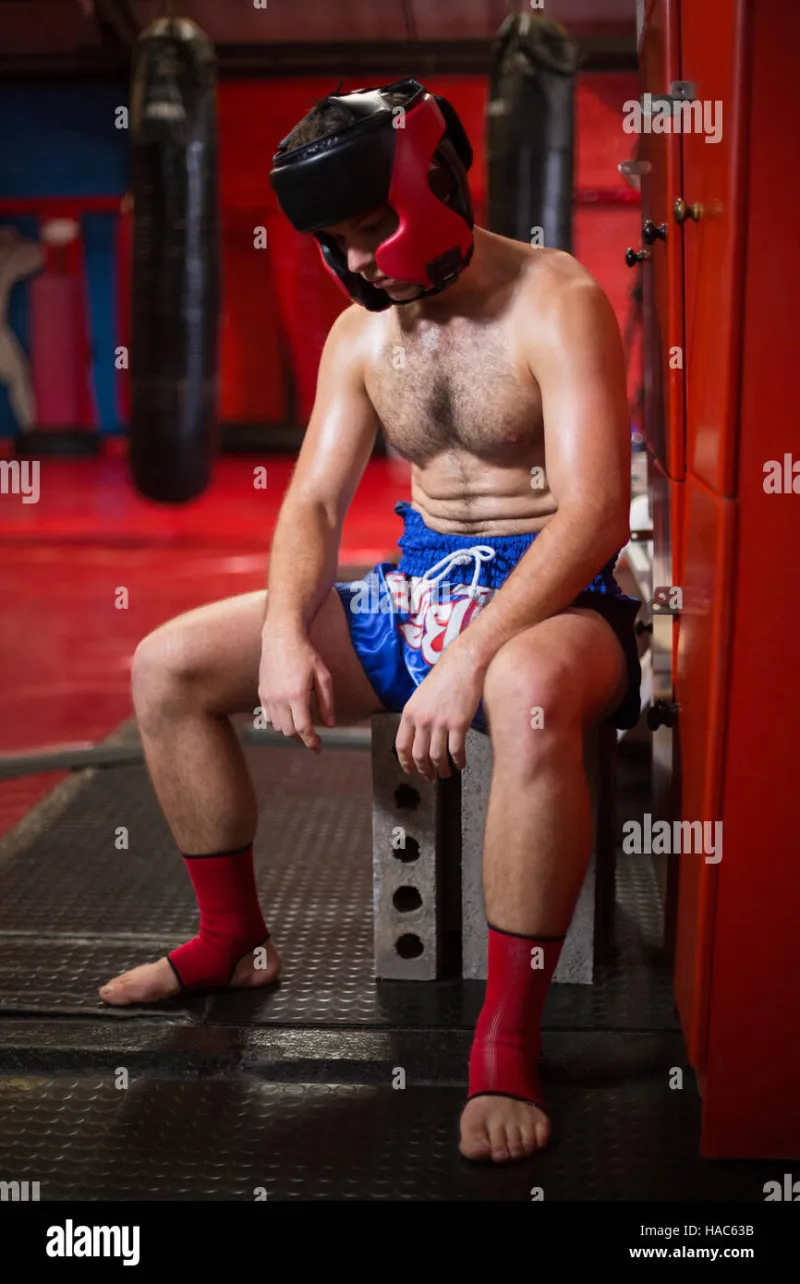
Photo: boxer sitting alone in boxing gym locker room portrait, via c8.alamy.com
There's a moment that happens on a lot of indie fight film sets — usually around hour ten of a twelve-hour shoot — when the director realizes the person in the ring can throw a perfect left hook but can't say "I'm scared of losing him" without sounding like they're ordering at a drive-thru.
That moment is why the debate over casting real fighters refuses to die. And lately, it's gotten louder.
The Authenticity Argument Is Real — Literally
Audiences can smell a fake punch the way they can smell a fake laugh track. No matter how good your stunt coordinator is, there's a looseness, a bad posture, a particular way a trained fighter holds their shoulders that actors spend years trying to imitate and usually don't nail.
"When a real boxer walks into frame, the camera knows," one casting director told us. "You can't coach that. Twenty thousand rounds of sparring lives in your body whether you want it to or not."
Films like Creed built entire marketing campaigns around real fight credentials, and micro-budget indies have been doing the same thing for decades out of pure necessity — your gym owner is free, your SAG actor is not. When the fighter can act even a little, the results can be electric. When they can't, you get the dreaded "trailer park shadow": a movie that looks gritty and real in the trailer and falls apart the second someone opens their mouth.
Where It Goes Wrong
The failures tend to follow a pattern. The production, dazzled by credentials, builds the whole film around the fighter's presence instead of their performance. Dialogue gets trimmed to a growl. Emotional scenes get shot from behind, or cut entirely. And then the third act arrives, and the film needs its lead to do something harder than any twelve-round war — it needs them to feel something on camera, and there's nothing there.
"A fighter's instinct is to perform toughness," a longtime indie director explained. "But the scene usually needs vulnerability. That's the opposite muscle. You're asking them to lose control in front of a crew of thirty people, and everything in their training tells them never to do that."
The Fighter-Actors Who Crack the Code
The success stories share a few traits. The fighters who transition well almost always spent time actually training as performers — acting classes, theater, even student films — before anyone handed them a lead. They treat acting like a new sport: humbling, technical, learned through repetition.
They also tend to work with directors who know how to use them. The smartest indie productions don't ask the fighter to carry the emotional arc — they pair them with a trained actor who does, and let the fighter be the physical anchor. Think of it as a tag team. One person handles the drama, the other handles the damage, and the film is stronger for both.
Casting directors we spoke to also stressed screen-testing fighters on dialogue, not on shadowboxing reels. "Everybody sends me the highlight footage," one said. "I want to see them sit in a chair and answer a question. That tells me everything."
A Middle Path for Indie Filmmakers
If you're producing a fight film on a budget, here's the practical takeaway: real fighters are worth casting when the role is built for one. A quiet, laconic character whose power comes from presence? Perfect. A monologue-heavy protagonist with a complicated family arc? You're setting everyone up to fail.
And train your fighter-actor like an athlete, because that's how they learn. Rehearse the scene the way they'd drill a combination — over and over, until it stops being a performance and becomes reflex. Fighters understand repetition better than anyone. Use that.
The best fight films have always been about what happens between the rounds. Cast accordingly.