Celery, Leather, and Lies: How Foley Artists Fake the Perfect Knockout
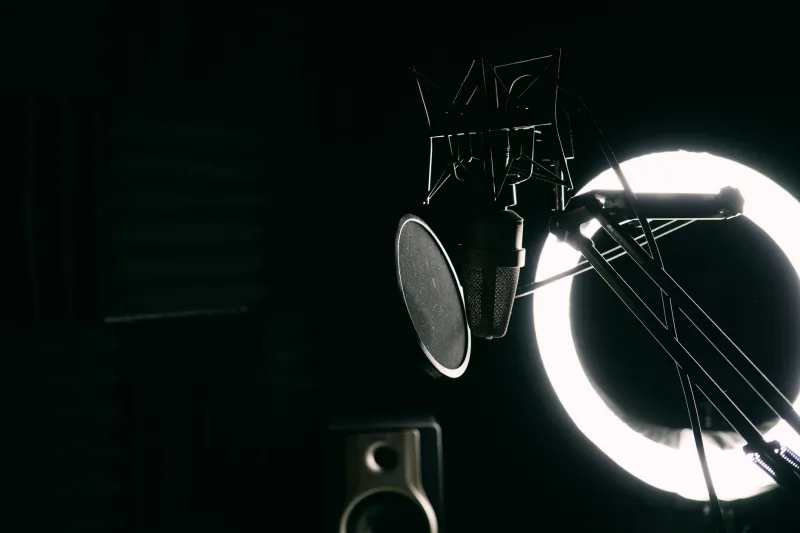
Here's a fun party trick for your next movie night: mute the TV during the big fight scene. Suddenly, two actors are just politely waving their arms at each other in good lighting. Turn the sound back on and — thwack — somebody just got their ribs rearranged.
That's the magic of foley, and in fight films especially, it's doing about 80% of the heavy lifting. We don't talk about it enough.
The Celery Is a Lie
Ask anyone vaguely familiar with movie sound design and they'll tell you the legend: snapping a celery stalk near a microphone equals a broken bone. It's true, mostly. But that's just the appetizer.
"Celery is the beginner move," laughs Dana Whitfield, a foley artist who's worked on a half-dozen indie features out of a converted garage in Ohio. "If you want a punch to actually land, you're layering three or four things. Maybe a leather jacket getting smacked against a couch cushion for the body of it. A phone book — well, nobody has phone books anymore, so a thick textbook — for the thud. And then something high and sharp, like a frozen carrot snapping, buried way down in the mix so you feel it more than hear it."
That layering is the whole game. A real punch, recorded on set, sounds like... nothing. A wet high-five. Fists don't make contact with enough force in a choreographed fight to register, and even if they did, no actor is taking a real one for your entertainment. The violence you hear is invented from top to bottom.
Why Your Ears Trust the Fake
There's a reason sound designers call the audience's ear the most forgiving instrument in cinema. Our eyes catch fakery constantly — a rubber knife, an obvious stunt double, a punch that misses by a foot. But our ears? They'll buy almost anything if the rhythm is right.
"A fight is basically a drum solo," Whitfield says. "If the punches land on the beat, if there's variation — the jab sounds different from the body shot, the body shot sounds different from the head hitting the canvas — the audience stops auditing it. They just feel it. The second everything sounds identical, it's a video game from 2005."
Indie filmmakers, out of necessity, have become some of the most inventive foley minds in the business. No budget for a sound stage means raiding the kitchen, the closet, and the neighbor's trash.
The Garage Studio Hall of Fame
We asked a few working sound folks for their favorite junk-drawer punches. The hits:
- Raw steak on a cutting board. The classic for body blows. Squishy, dense, deeply unpleasant. Vegetarians in the booth tend to tap out early.
- A leather jacket slapped against vinyl. Warm, meaty impact. Costs nothing at a thrift store.
- Frozen romaine lettuce. The modern celery. Snaps cleaner and louder.
- A wet towel on a shower wall. Underrated for the sound of a fighter hitting the mat.
- Knuckles dragging across an old basketball. For that grinding, skin-on-skin scrape in clinches.
"My favorite one I ever did," says Marcus Oyelaran, a sound designer based in Atlanta, "was a knockout punch in a short film we shot for like eleven grand. We used a watermelon wrapped in a towel, hit with a bat wrapped in a sweater. Took us forty takes to get the right one. The director cried when he heard it. Said it was the best punch in the movie. It was a watermelon."
Louder Isn't Better
Here's where indie fight films often blow it: they crank everything to eleven. Every punch sounds like a cannon because somebody assumed bigger equals better. It doesn't.
"The scariest sound in a fight movie is restraint," Oyelaran argues. "Think about the fights that actually got under your skin. There's usually a moment where the sound drops out — you just hear breathing, or the crowd goes distant. Silence is the loudest punch you'll ever record. Learn to use nothing, and your something hits twice as hard."
That's a masterclass tip hiding in a budget tip. When you can't afford walls of sound, you're forced to learn dynamics — and dynamics are what separates a fight that thrills from a fight that exhausts.
Your Ears Write the Check Your Eyes Cash
There's an old sound-design saying: audiences will forgive bad picture, never bad sound. A shaky phone-shot fight with killer impact sounds feels visceral. A gorgeous RED camera fight with hollow, video-gamey punches feels like a student film no matter how much you spent on the lens.
For filmmakers shooting their first fight scene on a shoestring, the advice is simple. Spend a weekend recording stuff. Slap, snap, squish, and thud your way through your house. Build a library. Then, when you're in the edit, mix with your eyes closed — if the fight plays as pure audio, if you can feel who's winning without seeing a frame, you've won.
The punch that felled your favorite movie tough guy never happened. It was celery, leather, and a watermelon in a towel, performed by somebody in a padded room you'll never see.
And honestly? That might be the most indie-film thing about this whole business. No money, no permission, just somebody in a garage whacking a steak until it sounded like a championship belt.
Paper Champions, indeed.