Forty Grand and a Dream: How Micro-Budget Fight Films Are Outpunching the Studio Playbook
Somewhere in Los Angeles right now, a studio production is spending $40,000 on craft services. Snacks. Granola bars and cold brew. Meanwhile, across town — or more likely in a borrowed gym in Dayton or Allentown — an entire feature-length fight film is being shot for the same amount.
Welcome to the new math of micro-budget fight cinema, where the gap between "impossible" and "done" is mostly a spreadsheet, a stubborn director, and a whole lot of people working for credit and belief.
The Real Budget, Line by Line
Ask a filmmaker what their movie cost and you'll usually get a number that hides the truth. So we asked around — talked to directors, line producers, and a couple of first-time fight filmmakers — and the pattern is remarkably consistent.
On a typical $40K boxing or martial arts feature, here's roughly where the money goes:
- Sound (recording and post): $6,000–8,000. Yes, really. Nearly a fifth of the budget. More on why below.
- Stunt coordination and fight choreography: $5,000–7,000. A real stunt coordinator isn't a luxury; they're insurance.
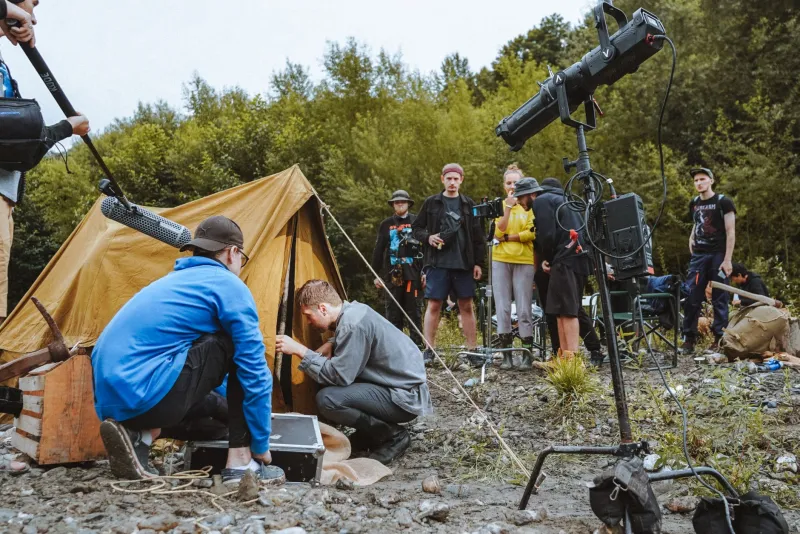
- Camera and lighting package: $4,000–6,000. Usually one camera. One. Rented in bursts or owned outright by the DP.
- Food and transportation: $4,000–5,000. You don't feed your crew, you don't have a crew. Non-negotiable.
- Locations and permits: $2,000–4,000. Shockingly low, and we'll explain the trick.
- Insurance and SAG paperwork: $2,000–3,000. Boring, essential, keeps you out of court.
- Everything else — costumes, props, color, festival submissions: whatever's left.
That last line item is where dreams go to be tested.
Where to Splurge: Sound First, Fists Second
If there's one thing every micro-budget veteran we spoke with agreed on, it's this: audiences will forgive a soft image, but they will not forgive soft audio.
"You can shoot on a ten-year-old mirrorless camera in available light and it'll look moody and intentional," one producer told us. "But if the dialogue sounds like it was recorded inside a tin can, people check out in ninety seconds."
Hence the fat sound budget. Boom operator, lav mics, a post sound mix that makes the punches land. In a fight film specifically, sound does half the storytelling — the crack of a body shot, the gasp of the crowd, the ringing silence after a knockdown. Skimp there and no amount of gritty 35mm-style grading saves you.
The second splurge is a real fight coordinator. Not your cousin who did taekwondo in middle school — an actual professional. Beyond the obvious safety angle, a good coordinator designs fights that reveal character, shoots around the limitations of untrained actors, and keeps your lead out of the ER. One director put it bluntly: "My coordinator cost me six grand and probably saved me a six-figure lawsuit and a friendship."
Where to Scrimp: Borrowed Gyms and Believers
Now for the fun part — the places where creativity replaces cash.
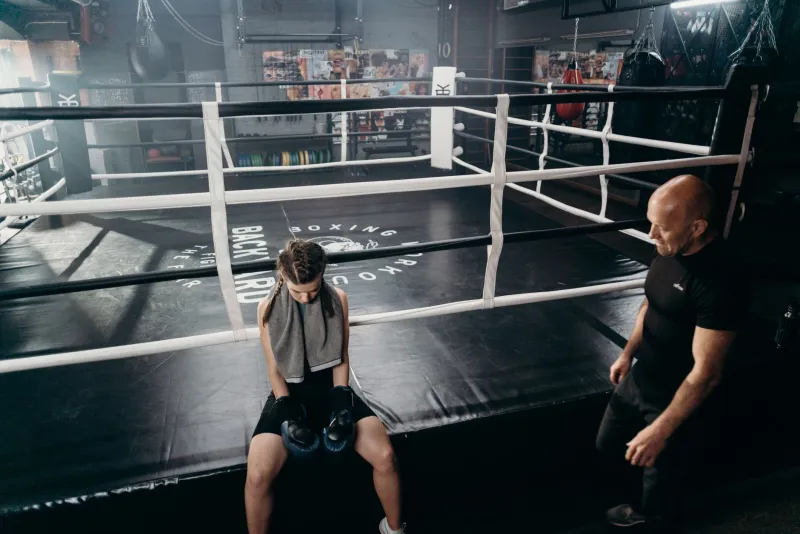
Locations. That $2,000–4,000 line? Here's the trick: real gyms want to be in movies. Boxing gyms especially. They're community institutions, often struggling, and a film shoot means publicity, pride, and maybe a donation to the amateur program. Directors routinely get their most important location for free or close to it by simply asking — and offering a screen credit and a premiere night for the gym's kids. One filmmaker shot an entire third act in a Toledo boxing club for the price of repainting a wall after wrap.
Crews. Nobody on a micro-budget fight film is there for the money. They're there because the script moved them, or a friend vouched for you, or they want a reel. Pay the day rate you can afford, feed them like kings, and treat their time like the gift it is. The crew that believes in the story will work sixteen hours in a hot gym without complaint — but only if you're the kind of person they want to believe in.
Gear. One camera. One set of lenses. Fight coverage is about rhythm and reaction — faces before, faces after, the impact between. You don't need six cameras and a crane. You need a DP who understands boxing's geometry and a plan for every setup before you walk in.
The Zero Excuses Mentality
What separates the films that get finished from the ones that die in edit? Honestly, it's rarely money. It's the filmmakers who treat the budget as a creative constraint instead of a tragedy.
The best micro-budget fight films lean into what they are: intimate, sweaty, personal. A studio can film a stadium full of ten thousand extras. You can film one fighter's face in the corner between rounds, and if you do it right, yours is the shot people remember.
Forty grand. One camera. Zero excuses. Turns out that's not a limitation — it's a style.