The Final Bell: What Nobody Tells You About the Last Day on an Indie Fight Film
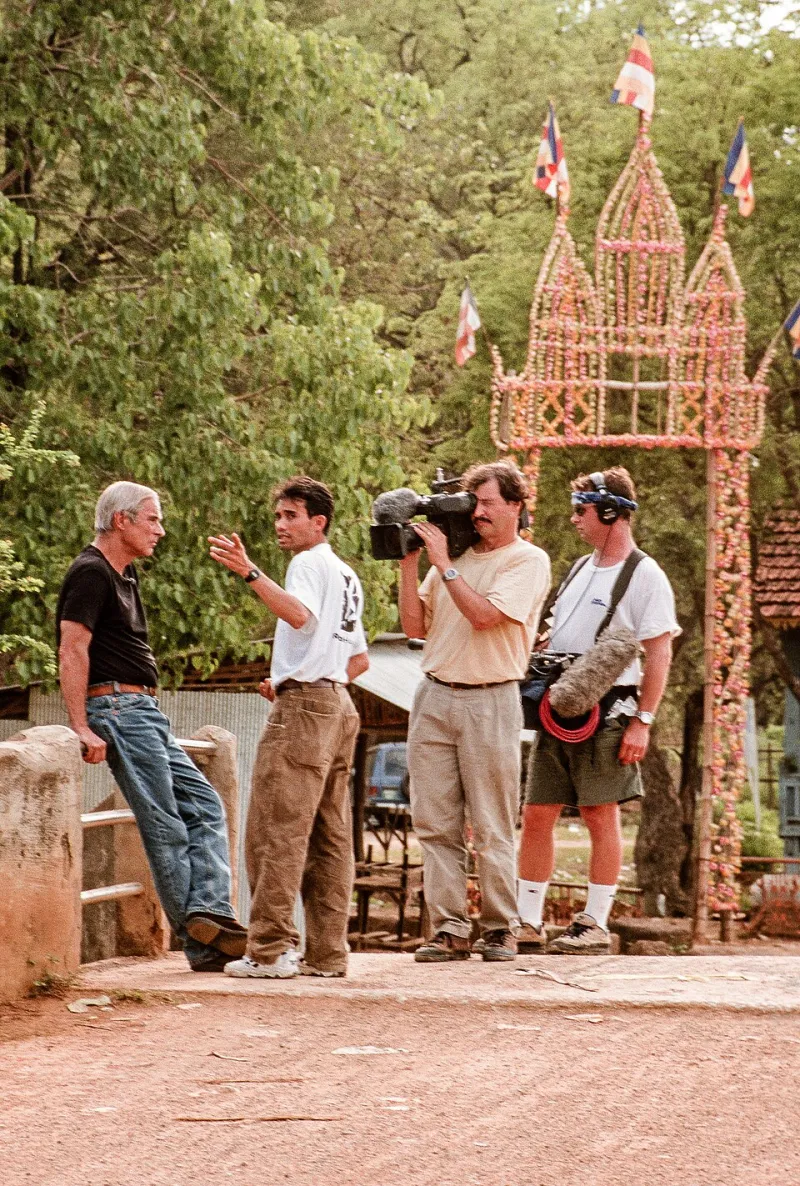
Photo: Acme66, CC BY-SA 4.0, via Wikimedia Commons
There's a moment on every indie set that never makes it into the movie. It's not the knockout. It's not the training montage. It's the moment a first AD yells "that's a wrap" for the very last time, and forty people who've spent two years of weekends in a converted warehouse suddenly have nowhere to be on Saturday morning.
Ask anyone who's made a micro-budget fight film and they'll tell you the same thing: the last day of production hits harder than any three-act structure ever could.
The Quiet After the Storm
Dana Whitfield, who shot her debut feature Southpaw Season over eighteen months in a defunct VFW hall outside Cleveland, describes her final wrap day as "a funeral with better catering."
"You spend years dreaming about finishing," she told us over the phone. "Then the last shot is done, and everybody's just... standing around the craft services table like, now what? Somebody's aunt made lasagna. Nobody wanted to be the first to leave."
It's a phenomenon that doesn't get talked about enough in filmmaker circles, probably because admitting it sounds ungrateful. You wanted this. You bled for it. And when it ends, you're supposed to feel triumphant. Instead, a lot of directors describe something closer to homesickness — for a place that never really existed outside the edges of a shooting schedule.
Psychologists have a term for the comedown athletes experience after a big competition: post-performance decline. Filmmakers don't get a fancy name for it. They just get a group chat that slowly goes quiet.
Wrap Parties: Where the Truth Comes Out
If the last shoot day is the funeral, the wrap party is the wake — and it's where all the honest stuff surfaces.
The producer who quietly maxed out a credit card to keep the lighting package. The lead actor who'd been taking bus routes four hours each way to set. The sound guy who recorded crowd noise at an actual amateur boxing card in Toledo and got mistaken for a scout. These confessions come out over cheap beer and pizza, usually around midnight, usually with tears.
"Our wrap party turned into a two-hour impromptu screening of the dailies," says Marcus Ojo, whose sophomore feature wrapped last spring in Kansas City. "People were seeing themselves on screen for the first time and just losing it. Grown men, crew guys who'd been doing this twenty years, wiping their eyes. That's the night I realized what we'd actually built."
The Grief Nobody Budgets For
Here's the part every first-time filmmaker should hear: finishing a passion project is a loss, even when it's a win.
For years, the project gave your life structure. It decided who you talked to, what you worried about, what you saved money for. When it's done, that scaffolding vanishes. Veteran indie producers call it "the wrap blues," and it's real enough that some experienced directors now plan for it the way they plan for contingency weather days.
A few things the filmmakers we spoke with wish they'd known going in:
- Schedule something for the week after wrap. A trip, a gig, even a fake deadline. Empty calendar plus empty set equals dark headspace.
- Say the goodbyes out loud. Several directors told us their biggest regret was assuming they'd see everyone at the premiere. Premieres get delayed. Distribution falls through. The wrap party might genuinely be the last time that exact group is ever in a room together.
- Write thank-you notes during post, not after. Once the edit swallows you, gratitude becomes another item on the to-do list. Send the notes while the lasagna is still warm.
- Let the ending be an ending. One director admitted she reshot scenes she didn't need to reshoot just to delay wrapping. It cost money and, she says, cost the film some of its looseness. "I was afraid of the goodbye," she said. "The movie paid for it."
Why Fight Films Feel It Worst
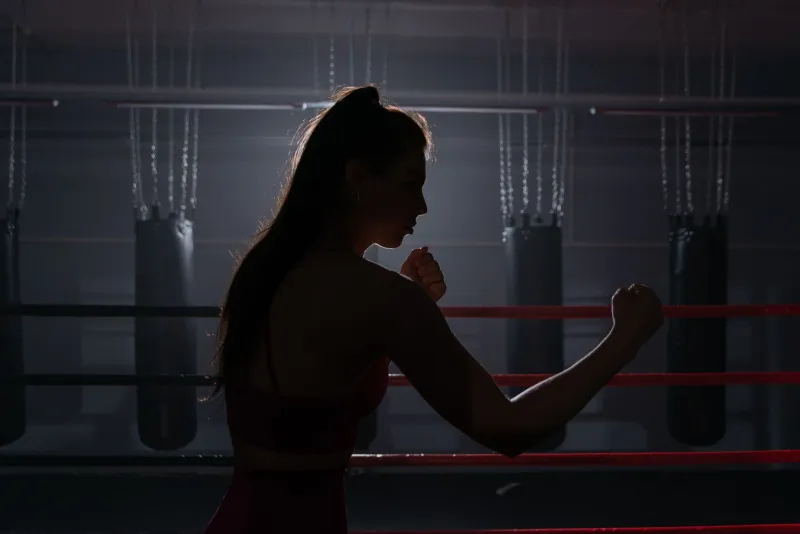
There's a reason this hits differently on boxing and MMA projects. Fight films are physical. The cast trains for months. The crew learns to read a real jab so the camera can be in the right place. Bodies change. Friendships form through shared soreness.
And the genre itself is about endings. Every boxing movie is a countdown to a final bell. When your own production reaches its final bell, the metaphor stops being a metaphor. The crew isn't just wrapping a movie about a fighter's last round — they're living one.
"We shot our last scene in the actual ring," Whitfield remembers. "The one we'd built from scratch. After the take, my DP just climbed out under the bottom rope, the way a fighter does, and didn't say anything. I still think about that."
The Round After
So what comes next? Mostly, the honest answer is: post-production, and the slow discovery of who you are when you're not making the thing.
But the filmmakers who've been through it a few times offer one more piece of advice, and it might be the most important: start something small, immediately. Not another feature. A short. A web series. A single scene you've been itching to shoot. Not because you need a product, but because the antidote to the wrap blues isn't a nap — it's the reminder that the bell that ended this round was never the end of the fight.
The crew scatters. The dailies get backed up to two hard drives and a cloud account. And somewhere in a garage in Ohio, a Foley artist is already thudding a side of beef for the next underdog story.
That's how it goes. That's how it's always gone. One last round, one long exhale, and then — eventually — another project worth losing sleep over.