Frames of a Knockout: Where Fight Films Are Really Won
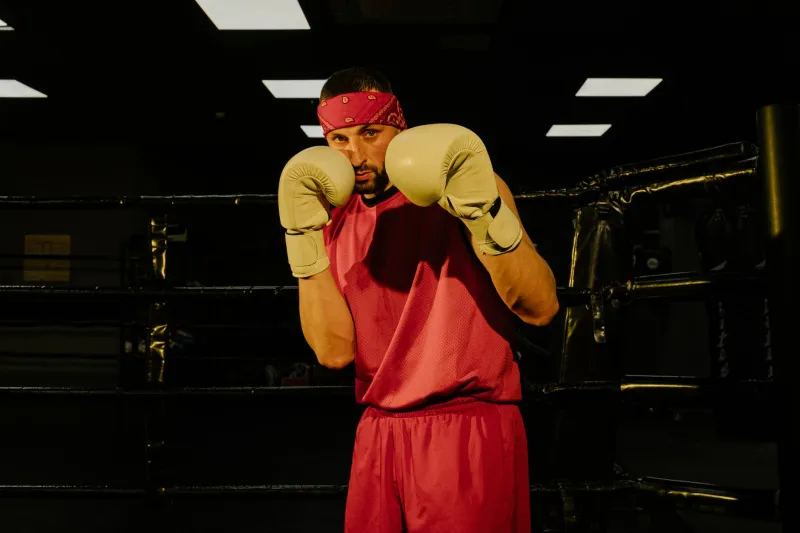
Ask anyone on the set of a fight film what the hardest day was, and they'll talk about the cold, the bruises, the sixteen-hour shoot in a rented gym in Newark. Ask the editor, and they'll tell you the real fight hasn't even started yet.
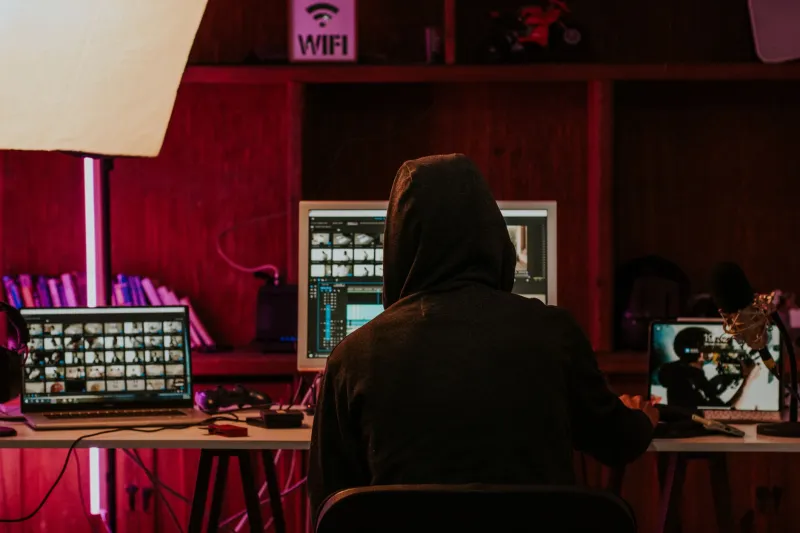
That's because a boxing movie isn't made when the cameras roll. It's made when thousands of feet of footage get trimmed down to ninety seconds of screen time that actually makes an audience hold its breath. The editing room is where the champion's cut is decided — and unlike the fighters on screen, editors rarely get a belt for their trouble.
The Punch You Don't See
Here's a paradox every fight-film editor learns early: the most powerful punch in a movie is usually the one the audience never fully sees.
"If you show the entire impact, you've spent your best card," says one veteran editor who's cut both a studio sports drama and a micro-budget festival darling. "The audience's imagination lands a harder punch than anything you can photograph. You show the wind-up, you show the aftermath, and you let the gap in between do the violence for you."
That gap is measured in frames. Literally. Editors talk about knockouts in terms of how many frames of a face taking a hit an audience can absorb before it tips from gripping into gratuitous — or worse, into comedy. Twelve frames of a jaw connecting with a glove reads as brutal. Twenty-four reads as a cartoon. The difference between a classic and a punchline is less than half a second.
Rhythm Is the Real Choreography
On set, the fight coordinator choreographs the bout. In the edit, the editor re-choreographs it — this time for the audience's pulse.
Great fight sequences aren't cut to what happened in the scene. They're cut to a rhythm, almost musical in structure. Quick cuts during the flurry. A long, unbroken hold when the fighter is on the ropes, gasping, so the audience feels the exhaustion in real time. A single, slow shot before the final blow — the cinematic equivalent of a fighter drawing one last breath.
"I cut one fight to a metronome," an editor told us. "Not to music — a literal click track. Every exchange landed on the beat until the last round, when I let it fall apart. The rhythm breaking told the audience the fighter was breaking. People never knew why that scene worked. They just knew it did."
This is why fight scenes shot with perfect coverage can still die on the timeline, and why a scrappy indie with three angles and one handheld camera can soar. The editor isn't assembling what was shot. They're composing what the audience feels.
When the Budget Is Small, the Cuts Have to Be Smart
Studio fight films can shoot a sequence from nine cameras and sort it out later. Indie productions usually can't. And according to editors who work in the micro-budget world, that constraint is a strange gift.
"With limited coverage, you can't hide behind options," one says. "You have to cut with intention from day one. You learn that a reaction shot of a scared cornerman sells the punch better than any wide shot of the ring. You learn to cut on breath, on blink, on the moment a shoulder drops."
Some of the most celebrated fight sequences in recent indie cinema were cut in bedrooms and rented Airbnbs on consumer-grade software. What they lacked in equipment, they made up for in the one resource that matters most: the willingness to cut their own favorite shots. Every editor we spoke to said the same thing — the shot you love that doesn't serve the rhythm has to go, even if it took two days to shoot.
The Audience Has a Frame Rate of Its Own
There's an unspoken contract between an editor and a moviegoer. Modern audiences have watched decades of fight films. They can feel a cheat. They know when a cut is hiding a stunt double, when the impact happened off-screen, when the rhythm is stalling.
The best editors treat that sophistication with respect. They vary cut lengths deliberately. They plant reaction shots like evidence. They understand that in the final round of a fight film, the audience isn't watching the boxer — they're watching the boxer's face, waiting for the moment hope leaves it.
"That's the shot," one editor told us. "Not the knockout. The half-second before it, when you see the fighter realize. You can spend your whole career chasing that half-second."
The Quiet Champions
Nobody lines up at a premiere to get the editor's autograph. When a fight film works, audiences credit the director, the star, the choreography. When it doesn't, the editor hears about it in the review of a screening they weren't invited to.
But make no mistake: every great fight film you've ever loved was assembled, dissected, and rebuilt in a dark room by someone counting frames. The bell rings on set. The fight is won at the timeline.
So the next time a knockout in a movie makes you flinch, spare a thought for the person who decided exactly how many frames of it you could handle. They sat through ten thousand. You got the twelve that mattered.