Cards, Exit Polls, and a Heavyweight Decision: Inside the Test Screening Rooms Where Fight Films Get Remade
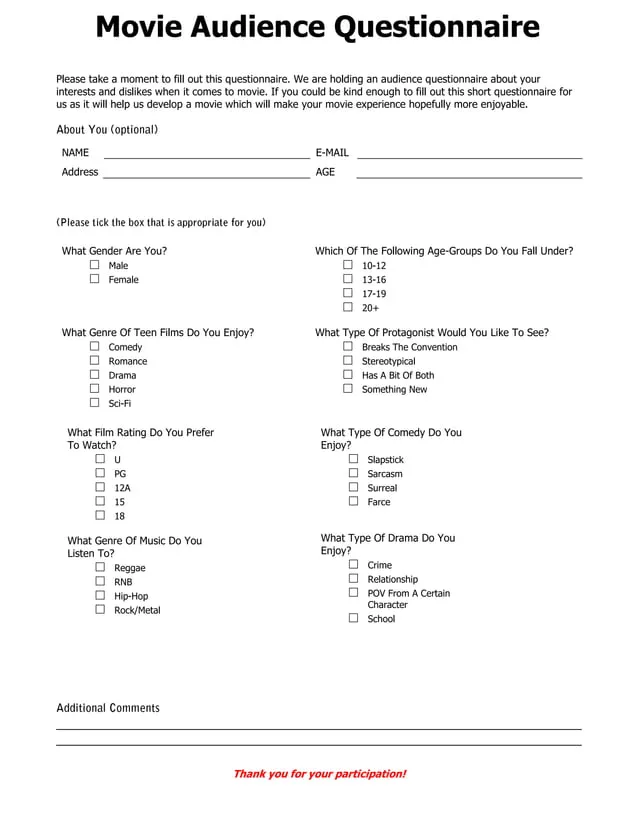
Photo: movie theater test screening audience filling out feedback cards, via image.slidesharecdn.com
The movie ends. The lights come up. And somewhere in a hundred-seat theater in the Valley, a retired schoolteacher is filling in a bubble sheet that could decide whether your third act gets rebuilt from scratch.
Welcome to the test screening — the most nerve-wracking night in the life of any filmmaker, and an especially brutal one if you've made a fight film. Because here's the thing about sports dramas: audiences don't just watch them, they feel them. And when the feeling doesn't land, you'll know. Oh, you'll know.
The Weirdest Focus Group in America
A typical test screening looks less like Hollywood glamour and more like a PTA meeting with better catering. Recruits — pulled from market research panels, often paid fifty bucks and a free popcorn — watch a rough cut that may still have temp music, missing VFX, and unfinished color. Afterward, they fill out comment cards rating everything from pacing to whether they'd "definitely recommend" the film to a friend.
For fight films, moderators pay extra attention to a few key moments: the training montage, the big loss, and whatever scene is supposed to make the audience's throat tighten.
"Boxing movies live or die on about four minutes of screen time," one veteran screening moderator told us, speaking on background because, honestly, these gigs are confidential for a reason. "If the crowd doesn't gasp at the knockdown, you have a problem no poster can fix."
When the Crowd Rewrites the Ending
Every film buff knows the legend of Rocky — but the industry is quietly full of fight films that were reshaped by a room full of strangers. Rescoring is the classic move: swap the needle-drop for an original cue, and suddenly a scene that tested "flat" tests "uplifting." Re-edits are common too — tightening the second act, moving the big fight earlier, cutting a subplot that a focus group in Dallas found "distracting."
And then there are alternate endings. One indie filmmaker we spoke with shot two versions of his final round: one where his underdog loses on a split decision, and one where he wins. The winning cut tested through the roof with general audiences. The losing cut won over critics months later at a festival. The filmmaker went with the crowd. He doesn't regret it — but he thinks about it.
Trust the Room or Trust Yourself?
Here's the eternal argument, and it's a real one in every cutting room in Burbank.
Team Gut says audiences can tell you something's wrong but rarely what. "They'll say the movie's too slow," one editor told us, "when what they mean is the stakes aren't clear yet. If you cut ten minutes, you haven't fixed anything."
Team Crowd counters that filmmakers are the worst judges of their own work — too close to it, too in love with scenes that should've died in the script stage. A room full of strangers is the closest thing to opening weekend you'll ever get before opening weekend.
The smartest filmmakers we've met treat test screenings like a cornerman treats a fighter between rounds. You listen. You take the advice that rings true. But nobody else steps into the ring for you.
How to Run One Without Losing Your Mind
If you're an indie filmmaker planning your own screening — and you should, even if it's twelve friends and a projector in a rented VFW hall — a few ground rules from the folks who do this for a living:
- Watch the room, not just the cards. Bodies shifting, phones coming out, a collective exhale at the right moment — that's data no comment card captures.
- Ask about moments, not plot. "When did you lean forward? When did you check the time?" beats "Did you like it?" every time.
- Never screen for people who owe you kindness. Your mom is not a market sample.
- Sleep on the notes. The notes that feel devastating at midnight often look like one fixable problem by morning.
The Final Bell
A fight film is, at its heart, about one person's will being tested against the world. There's something fitting — and a little funny — that the films themselves get tested the exact same way, in a dark room, by strangers with pencils.
The best filmmakers don't pander to the room. They don't ignore it either. They read the audience the way a good corner reads a fight: what's landing, what's not, where the opening is.
Then they go back to the cutting room and throw the punch that only they can throw.