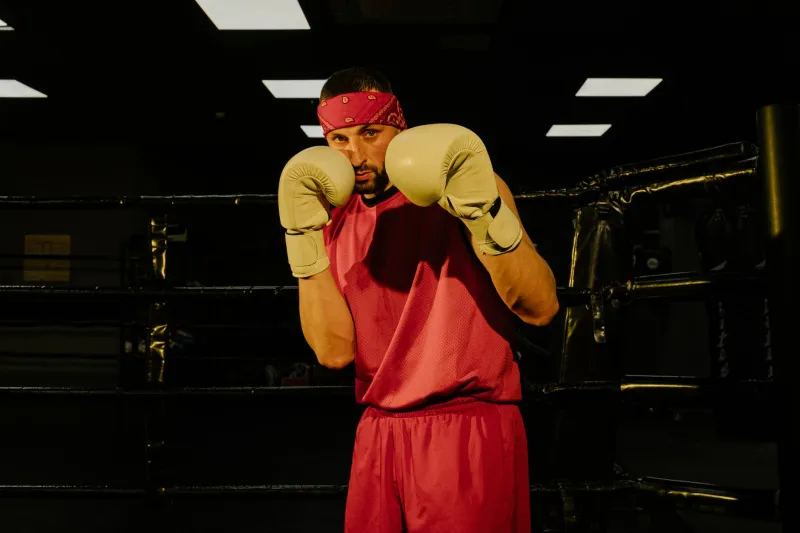
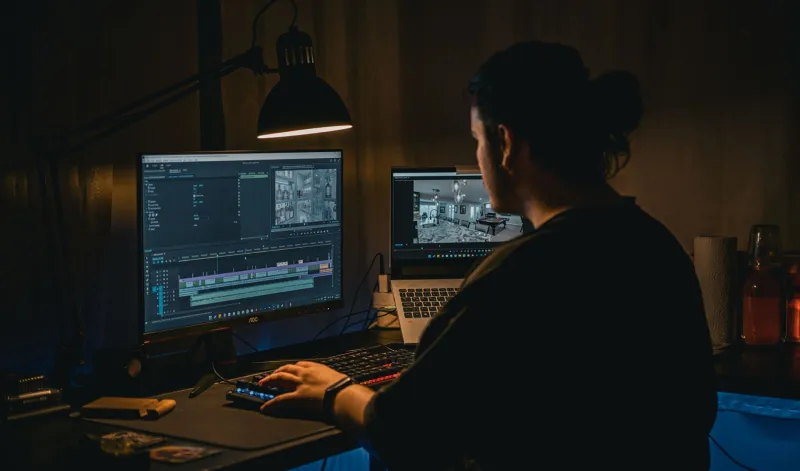
Real Bruises or Rehearsed Blows? Indie Filmmakers Are Splitting Down the Middle on How to Stage a Fight
Photo: Internet Archive Book Images, No restrictions, via Wikimedia Commons
There's a rumor that floats around every film festival bar in America, usually after the third screening of the day: some director, somewhere, told two actors to just actually fight and cameras caught the magic.
Sometimes it's true. Sometimes the actor ends up in an ER in Albuquerque. And sometimes—rarely, but sometimes—it produces forty seconds of footage that audiences swear is the realest brawl they've ever seen on screen.
So which camp are you in? Because the indie fight film world is officially split, and the two sides are not being polite about it.
The Case for Choreography
Ask any working fight coordinator and you'll get the same answer delivered with varying levels of patience: there is no such thing as a "real" movie fight that isn't a controlled disaster waiting to happen.
"A choreographed fight is a dance with a lie attached," as one veteran coordinator put it to us. "The lie is that it hurts. The dance keeps everybody alive."
The choreography camp points to the classics. Every iconic brawl you can name—rocky's stairway sprints aside, think of the hallway showdowns, the ring sequences, the parking lot dust-ups—was rehearsed to the half-inch. Rehearsed fights film better, they argue, because the camera can anticipate the action. You can frame a haymaker you know is coming. You can't frame chaos.
There's also the unsexy math. A fully choreographed sequence might take two weeks of rehearsal and cost a few thousand dollars in coordinator fees. An improvised brawl that sends your lead actor to the hospital costs you an insurance claim, a reshoot schedule, and possibly your entire production.
The Case for Controlled Chaos
But here's where the other side pushes back, and their argument has gotten louder in the last few years.
Audiences can feel choreography. Decades of action films have trained American moviegoers to spot the rhythm of a staged fight—the beat-pause-strike cadence, the way nobody's balance ever really breaks. Semi-improvised brawls, where performers are given objectives instead of counts, produce something messier and, proponents argue, more honest.
Some directors have found a middle path: choreograph the first thirty percent, then let the performers scramble within it. The actors know roughly where they'll end up but not how they get there. Contact is kept light but real enough to read on camera. Faces flush. Breathing goes ragged. Nobody's acting exhausted.
"The audience isn't watching the punches," one indie director told us. "They're watching whether the person throwing them is scared. You can't choreograph fear. But you can choreograph around it."
Where the Line Actually Is
Here's the part where we get less neutral, because the interviews for this piece surfaced a pattern nobody should be comfortable with.
The directors who champion "real" fights tend to be the ones who've never been hit. The stunt performers and coordinators—the people whose bodies absorb the mistakes—were nearly unanimous that semi-improvised contact work on a micro-budget is where the ethical line gets crossed. Big productions have medics, rehearsals, padding, and insurance. A five-person crew shooting in a rented gym in Ohio on weekends has none of that.
The uncomfortable truth: the authenticity that wows festival audiences is often purchased with risk that falls on the least protected people on set. If your film's selling point is that the hits were real, somebody needs to ask who paid for them.
What the Greats Actually Did
The famous sequences both sides cite? Almost all choreography, executed so well it looks spontaneous. The brawls that feel improvised are usually the most meticulously planned shots in the film—the illusion of chaos is a craft achievement, not an accident.
The lesson for indie filmmakers isn't "fake it." It's this: audiences don't need real violence. They need real consequence. Give your actors genuine stakes, genuine exhaustion, and a coordinator who treats safety as the first creative decision rather than the last logistical one. The camera will catch the rest.
The bell rings either way. Just make sure everybody walks out of the ring on their own two feet.