Your Sundance Moment Is Just the Beginning: Navigating the Road from Festival Buzz to a Real Distribution Deal
Photo: Randomgreek, CC BY-SA 3.0, via Wikimedia Commons
The Festival Circuit Isn't the Finish Line — It's the Opening Bell
Every indie filmmaker has that dream moment: the acceptance email from Sundance, SXSW, or Tribeca lands in their inbox and suddenly everything feels possible. The hard work, the sleepless edits, the maxed-out credit cards — it all feels worth it. But here's the thing nobody tells you at that celebration dinner: getting in is only the beginning of the fight.
The festival circuit is a marketplace as much as it is a showcase. Distributors, sales agents, and acquisition executives show up to these events specifically to find the next film they want to get behind. Your job, as a filmmaker, isn't just to screen your movie — it's to position yourself and your project so the right people can't stop thinking about it after the credits roll.
So how do you actually make that happen? Let's break it down.
Know What Distributors Are Actually Looking For
Before you can pitch to a distributor, you need to understand what they're hunting for when they walk into a festival screening. It's not always the most technically polished film in the lineup. More often, acquisitions executives are asking a few core questions:
- Does this have a clear audience? Films that can be marketed to a specific, passionate community are far easier to sell than vague prestige dramas with no identifiable fanbase.
- Is there a hook beyond the story? A compelling director backstory, a timely cultural conversation, or a unique production circumstance can all elevate a film's acquisition value.
- What's the buzz in the hallways? Word of mouth at festivals is real and powerful. A packed house at a midnight screening with a standing ovation travels fast on social media and in industry conversations.
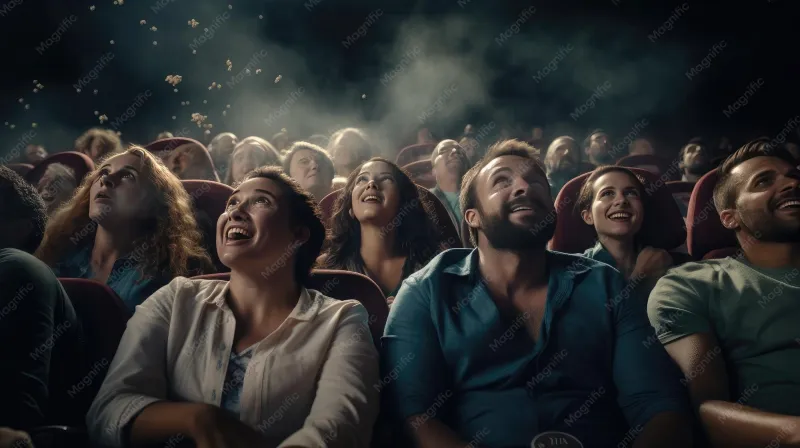
Distributors who frequent events like Sundance have seen thousands of films. They're not just watching your movie — they're watching the audience watching your movie. Emotional reactions in the room matter enormously.
Timing Is Everything: When to Screen, When to Talk
One of the most strategic decisions a filmmaker can make is choosing when to premiere. World premieres carry more weight than regional ones, and the prestige of a first screening at a top-tier festival can create a bidding environment that simply doesn't exist if your film has already been seen at a dozen smaller events.
The general wisdom among sales agents is to hold your premiere for the festival with the biggest acquisition presence relative to your film's genre and budget. Horror? Genre-focused festivals like Fantastic Fest can move the needle just as much as a mainstream circuit slot. Documentary? Sundance and Hot Docs are still king.
Once you're in, the strategy shifts to conversations. Distribution talks often happen in the margins — at parties, over coffee, in the lobby after a Q&A. This is where having a sales agent or producer's rep becomes genuinely valuable. They know the room, they know who has acquisition budget, and they can get you in front of the right people without you cold-emailing strangers.
Case Studies: Films That Worked the System
Look at how Beasts of the Southern Wild navigated its Sundance debut in 2012. Director Benh Zeitlin brought a film with no stars, a tiny budget, and a deeply unconventional narrative. But it had emotional clarity, a memorable visual identity, and a director with a compelling origin story. Fox Searchlight picked it up, and it went on to earn four Academy Award nominations.
More recently, films like CODA — which sold to Apple TV+ for $25 million at Sundance 2021 — demonstrated that the streaming era hasn't killed the festival acquisition model. If anything, it's intensified competition. Streaming platforms now show up at festivals with serious checkbooks and a hunger for award-season contenders.
The common thread in acquisition success stories isn't budget or celebrity — it's clarity of vision combined with strategic positioning before, during, and after the festival run.
Building Your Package Before You Walk In the Door
Successful filmmakers don't wait until they're at the festival to start working the room. The preparation starts months earlier:
Build a press kit that tells a story. Your one-pager, EPK, and trailer should communicate not just what your film is about, but why it matters right now. Cultural timing is a real acquisition factor.
Secure early press. A positive review from a respected trade — Variety, The Hollywood Reporter, IndieWire — published during your festival run can shift a distributor's interest from casual to urgent. Reach out to journalists ahead of time and offer exclusive access.
Leverage your existing audience. If you've been building a following on social media through your production journey (and you should be), that community becomes a data point distributors pay attention to. An engaged online audience signals built-in marketing momentum.
Have your ask ready. Know what kind of deal you want. Theatrical only? Hybrid theatrical and streaming? International rights? Walking into acquisition conversations without a clear position is a fast way to get steamrolled.
The Negotiation: Don't Take the First Offer
Here's something the festival circuit doesn't teach you: the first offer is almost never the best one. If you've done your job right and generated genuine buzz, you want multiple parties interested before you commit. Competition is your friend.
This is another reason having representation matters. A good sales agent knows how to create urgency and manage competing bids without burning relationships. The indie film world is small, and how you conduct yourself during acquisition talks follows you.
After the Deal: The Real Work Begins
Landing a distribution deal feels like the championship moment — and honestly, it deserves a celebration. But the work of getting your film to audiences is just beginning. Marketing, platform strategy, release timing, and audience engagement all still lie ahead.
The filmmakers who make the most of their distribution deals are the ones who stay involved, stay vocal, and keep treating every step of the process like it matters. Because it does.
Your film fought its way to the screen. Make sure it keeps fighting once it gets there.