Stick Around After the Credits: The Unsung Crew Members Who Make Every On-Screen Punch Land

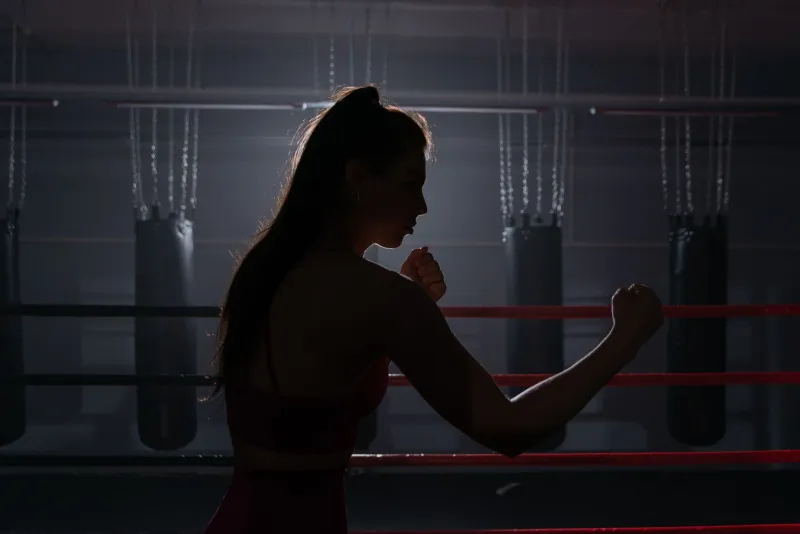
Photo by Photo by Adhitya Sibikumar on Unsplash on Unsplash
Here's a confession from the Paper Champions screening room: we've started staying through the entire end credits of every fight film we watch, and honestly, it's changed how we see these movies.
It started innocently enough. We caught a micro-budget boxing drama at a late-night festival slot — the kind of film made for roughly the price of a used Toyota — and the punches landed so hard we flinched. When the lights came up, we stayed put while the theater emptied out, and we started reading. Every name on that screen represented somebody who touched that film, and once you understand what they do, you realize a fight movie is less a single vision and more a twelve-round team effort.
So consider this your corner-man's guide to the credits. Next time you watch an indie fight film, you'll know exactly who to thank.
The Stunt Coordinator: The Quiet Architect of Violence
If a fight film works, this person is the reason. The stunt coordinator designs every exchange — the rhythm, the reactions, the near-misses that convince your brain a 170-pound actor just absorbed a liver shot.
On big studio productions, coordinators have weeks of rehearsal and padded floors. On indie films? They're often working with actors who've never thrown a punch, in a gym that smells like actual sweat, with a schedule that allows maybe two days to shoot an entire title fight. The good ones choreograph around limitations, framing wide when the performers are confident and cutting tight when they're faking it.
Look for the credit and remember the name. If the fights in a movie feel real, that person built the illusion from the ground up.
The Boxing Choreographer: When Authenticity Gets Hired
A cousin of the stunt coordinator, but with a different pedigree. Plenty of indie fight films now bring in actual trainers or former pros — the same folks who prep Golden Gloves hopefuls in gyms from Philadelphia to Fresno — to make sure the footwork, the jab mechanics, and even how a fighter breathes between rounds pass the smell test.
You can spot their fingerprints. Real boxers don't wind up like cartoon characters. They punch through the target, they reset, they clinch when they're tired. When a film gets those details right, it's usually because someone with wrap-scarred hands spent a weekend teaching an actor how to hold a guard.
The Sound Designer: The Loudest Person in a Silent Room
Here's a fun party fact: that sickening crack when a glove meets jaw? Almost never real. Fight sound is constructed in post-production, layer by layer — a wet slap, a thump of bass, maybe the snap of a celery stalk or a beef steak being whacked, all pitched and blended until your stomach drops.
The sound designer decides how violence feels to your ears. Muddy and muffled? That's a knockout. Sharp and echoing? That's a highlight reel. On indie films, one person often handles all of it, sometimes recording custom effects in a garage with whatever's lying around. When the crowd noise swells and the punches get wetter as the fight wears on, that's not luck. That's architecture.
The Colorist: Painting the Bruises You Didn't Notice
The colorist is the most invisible person on this list, and arguably the most powerful. Every fight film has a visual temperature — the bleach-bone whites of a Vegas undercard, the sickly fluorescents of a basement gym, the golden haze of a comeback story.
They also do the dirty work literally: enhancing bruise makeup, deepening the red of split brows, keeping blood continuity across reshoots shot months apart. A great colorist can make a $40,000 movie look like it cost ten times that, and you will never once think about them while it's happening. That's the point.
A Quick Glossary for Your Next Credits Crawl
- Fight Coordinator / Fight Choreographer — Designs the actual combat sequences; sometimes the same person as the stunt coordinator, sometimes a specialist brought in for authenticity.
- Stunt Double — The person who takes the falls when the insurance company (or common sense) says the star shouldn't.
- Foley Artist — Recreates everyday and not-so-everyday sounds — punches, body thuds, tape being ripped — in sync with the picture.
- Re-recording Mixer — Blends dialogue, effects, and music into the final soundtrack. The reason you can hear a corner-man's whisper over a roaring crowd.
- Supervising Sound Editor — Oversees the entire soundscape; think of them as the head trainer of the audio department.
- Best Boy — Not a joke, despite how it sounds. It's the chief assistant to the gaffer (lighting) or grip (rigging) department. Every credits roll has at least one, and now you can explain it to your friends.
Why This Matters More on Indie Films
On a studio picture, these departments are staffed like small armies. On an independent fight film, the credits might read like a family tree — one person doing sound design and foley, the stunt coordinator also playing the opponent in round six, a colorist who worked weekends between gig jobs.
That's the beautiful, scrappy truth of the genre. Every name you pass is somebody who bet their time and talent on a story about getting back up. So do us a favor: the next time a fight film knocks you out, stick around, read the names, and if one of them happens to be someone you can find online — tell them they landed it.
They don't hear the crowd nearly enough.